Motor Insurance Claim Rejected Over Invalid Licence Consumer Commission Orders Insurer to Pay Rs 3.5 Lakh
Motor insurance claim rejected over an invalid licence has led to a ₹3.5 lakh payout order against the insurer by the West Bengal Consumer Commission.
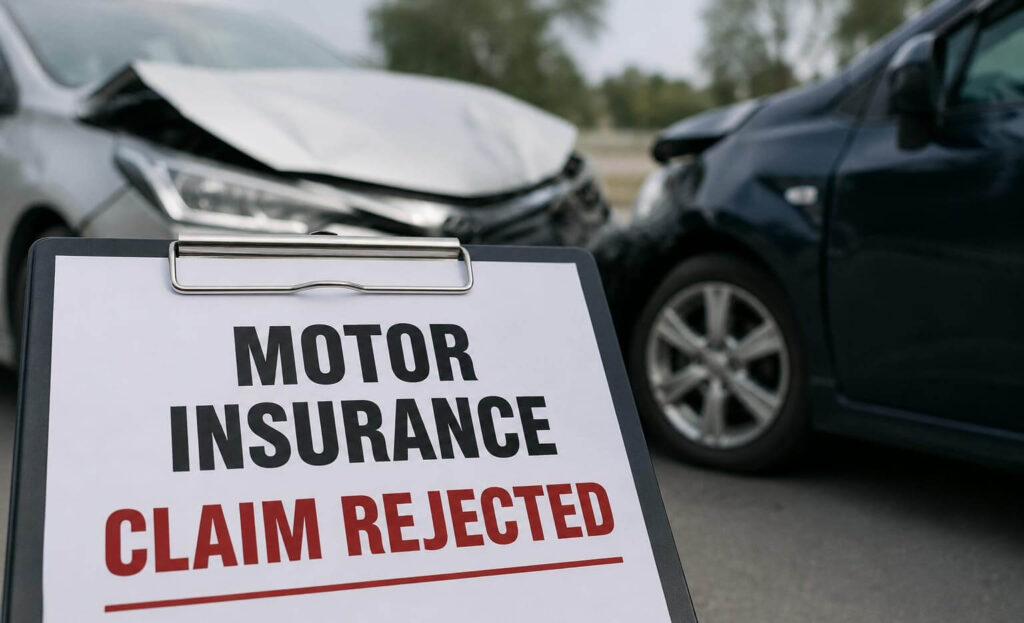
Motor insurance claim rejected over an allegedly invalid licence has led to a ₹3.5 lakh payout order against the insurer.
Motor Insurance Claim Rejected: The West Bengal State Consumer Disputes Redressal Commission has directed an insurance company to pay Rs 3.5 lakh to a policyholder after upholding a consumer complaint over the rejection of a motor insurance claim. The dispute arose after the insurer denied the claim on the ground that the vehicle was being driven by a person who allegedly did not hold a valid driving licence at the time of the accident. In its order, the Commission rejected the insurer’s appeal against the earlier consumer forum decision, bringing the dispute into focus on the circumstances under which an insurer can deny a motor insurance claim citing a driver’s licence as a policy violation.
Motor Insurance Claim Rejected: What Happened: The Claim and Its Rejection
The dispute centres on a Skoda Laura Ambiente 1.8 TSI, insured for an Insured Declared Value (IDV) of Rs 6.95 lakh under a policy valid from March 9, 2014, to March 9, 2015, for which the policyholder had paid a premium of Rs 11,233.
The car met with an accident on October 12, 2014. It was taken to a Skoda authorised service centre, where the repair estimate came to approximately Rs 5.28 lakh. When the policyholder filed a claim for the repair cost, the insurer declined to honour it.
The insurer’s stated ground for rejection was that the person driving the car at the time of the accident did not hold a valid driving licence. According to the insurer, the driver held a second driving licence issued in Nagaland, which the company alleged was fraudulent. On this basis, the insurer argued that the claim was liable to be rejected for violation of Section 6 of the Motor Vehicles Act.
Also Read: Supreme Court Orders SITs In Every State To Probe Insurance Fraud ‘Of Enormous Proportion’
Motor Insurance Claim Rejected: The Commission’s Reasoning
In its order, the West Bengal State Consumer Disputes Redressal Commission drew a distinction between two separate issues: the driver’s individual conduct and the insurer’s contractual obligation to the policyholder.
The commission held that a person holding more than one driving licence could amount to a violation of law, for which action may lie against that individual separately. However, it ruled that this fact, by itself, does not automatically extinguish the insurer’s liability under the policy issued to the vehicle owner. The panel said the driver’s alleged legal infraction and the policyholder’s compliance with the insurance contract’s terms are distinct matters that cannot be conflated to deny a claim outright.
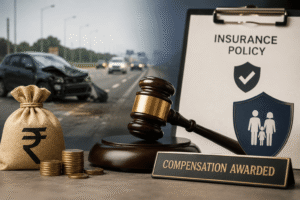
Motor Insurance Claim Rejected: The Award: Rs 3.5 Lakh Plus Interest and Compensation
The commission dismissed the insurer’s appeal and directed it to pay the policyholder Rs 3.5 lakh — short of the full Rs 6.95 lakh IDV amount the policyholder had sought.
The awarded amount carries interest at 6% per annum from September 7, 2016. The order specifies that if the insurer fails to make the payment within 45 days, the interest rate will rise to 9% per annum. Separately, the commission ordered the insurer to pay Rs 1 lakh as compensation for mental agony and harassment caused to the policyholder.
Motor Insurance Claim Rejected: What This Means for Policyholders
The ruling reinforces a distinction consumer commissions have drawn in similar motor insurance disputes: a licence-related irregularity attributable to the driver does not, on its own, entitle an insurer to reject a claim from the vehicle owner, unless the insurer can establish a direct breach of the policy’s own terms by the policyholder. Motor insurance disputes over driving licence validity remain a recurring ground for claim rejections in India, with outcomes turning on the specific facts of each case, including which party held the licence and how directly it relates to the policy conditions.